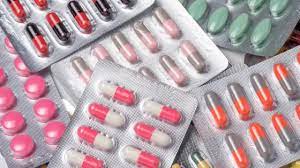

Biology helps medicine, through antibiotics; They are medicines that fight infections caused by bacteria in humans and animals either by killing the bacteria or by hindering their growth and multiplication. Certain infectious germs, including viruses, bacteria, and parasites, can cause cancer or increase the risk of cancer developing. Some viruses can disrupt signals that normally control cell growth and proliferation. These toxins can cause the characteristic symptoms of infections, such as fever, nasal congestion, rash, cough, vomiting, and diarrhea.
The disease is spread through direct contact, touching or kissing, sexual contact, or contact with secretions or wounds from an infected person. Infections spread by indirect contact spread when an infected person sneezes or coughs, sending infected droplets into the air.
Penicillin can be considered the greatest scientific advance in history, although as we say, it would not be the only one. He called this substance penicillin, after the name of the Penicillium mold that produces it. Fleming and others conducted a series of experiments over the next 2 decades using penicillin taken from mold cultures that showed its ability to destroy infectious bacteria.
Origin Since ancient times, humans have used organic compounds to treat infectious diseases, such as the extract of some plants and fungi from some cheeses.
According to the researchers’ analysis, this bacteria supports treatment with colistin, the most powerful antibiotic in the world, which doctors use as a last resort to cure the most serious infections.
Louis Pasteur developed the germ theory of infectious diseases, according to which infections are due to the ability of microorganisms to be transmitted from one person to another through the air or physical contact.
Antibiotics are medicines that fight infections caused by bacteria in humans and animals either by killing the bacteria or by making it difficult for them to grow and multiply.
Germs are microorganisms. This means they can only be seen with a microscope. They can be found everywhere, such as in the air, soil, and water. There are also germs on your skin and body.
Germs, also known as “pathogens,” are microscopic organisms that can cause illness and infection if they enter our body. The most common types of germs are: Bacteria for example: Salmonella, which can cause food poisoning.
There are four main types of germs: bacteria, viruses, fungi and protozoa. They can invade plants, animals and people, and sometimes cause us diseases. Bacteria are tiny, single-celled creatures that obtain their nutrients from the environment to survive.
The word “germs” refers to microscopic bacteria, viruses, fungi, and protozoa that can cause disease. Washing your hands thoroughly and often is the best way to prevent germs from leading to infections and illnesses.
The public places with the most germs
· Swimming pools and water parks.
· The money.
· Restaurant menus.
· Weights and gym machines.
· The supermarket cart.
· Lemon slice from soft drinks.
Cleaning works by using soap (or detergent) and water to physically remove germs from surfaces. This process does not necessarily kill the germs, but by removing them, it decreases the number and risk of spreading the disease. Disinfection kills germs on surfaces or objects.
Font:
https://medlineplus.gov/spanish/antibiotics.html
https://www.scielo.sa.cr/scielo.php?script=sci_arttext&pid=S0001-60022001000300003